The difference is coating vs material. Zinc plating is a thin sacrificial layer that wears; hot-dip galvanizing is a thicker, tougher zinc coat; stainless resists corrosion through the metal itself. For anything outdoors or damp, stainless lasts longest, 316 near salt.
Zinc-plated hinges
Zinc plating is a thin electroplated layer over steel, cheap and fine for dry indoor use. But it's sacrificial: once the coating wears or scratches through, the steel underneath rusts. Zinc-plated hinges belong indoors, not on exterior or damp doors.
Hot-dip galvanized hinges
Hot-dip galvanizing dips the steel in molten zinc for a thick, rugged coating that lasts far longer outdoors than plating. It's a solid budget choice for gates and outbuildings, with an industrial look. The catch is the same in principle: it's still a coating, and once it's worn or damaged at an edge, corrosion can start.
Stainless hinges
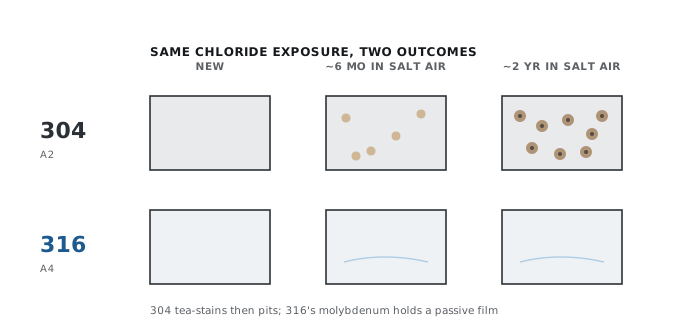
Stainless resists corrosion through the alloy itself, scratch it and the passive layer reseals. There's no coating to wear off. 304 handles dry and inland exposure indefinitely; 316, with added molybdenum, handles salt and chlorine. It costs more up front but doesn't have a coating clock ticking.
Which to use
- Dry indoor → zinc-plated is fine and cheapest.
- Outdoor budget, inland → hot-dip galvanized or 304 stainless.
- Coastal, pool, marine, or buy-it-once → 316 stainless.
- Always match fastener material to the hinge to avoid rust streaks and galvanic corrosion.
Frequently asked questions
Is galvanized as good as stainless outdoors?
Hot-dip galvanized lasts well outdoors and costs less, but it's a coating, once worn or chipped, the steel can rust. Stainless resists corrosion through the metal, so it lasts longer, especially near salt.
Will zinc-plated hinges rust outside?
Yes, fairly quickly. Zinc plating is thin and sacrificial; outdoors it wears through and the steel rusts. Use galvanized or stainless outside, not zinc-plated.