Realistic range: indoors, a quality stainless hinge can last decades, often the life of the building. Outdoors and coastal, lifespan depends almost entirely on whether the grade matches the environment and whether it gets basic maintenance.
What actually wears out
Two things end a hinge's life: mechanical wear at the pin and knuckle, and corrosion. Stainless handles corrosion well if correctly specified, so for most failures the culprit is either an under-sized hinge that wore out under load, or the wrong grade in a salty environment.
How grade changes the math
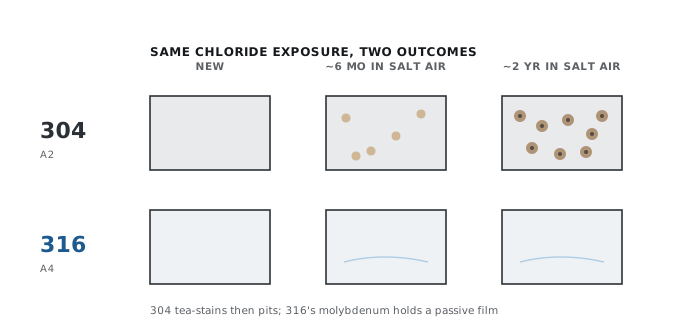
304 indoors: effectively indefinite. 304 coastal: cosmetic staining within a season or two and eventual pitting. 316 coastal: many years of clean service, especially with rinsing. Choosing the grade correctly is the biggest single factor in lifespan.
How to maximize it
- Right grade for the environment.
- Right size and count so no single hinge is overloaded.
- Ball-bearing hinges for heavy or high-traffic doors, they wear far slower.
- A drop of oil on the pin and an occasional clean.
What actually determines lifespan
A correctly chosen stainless hinge routinely outlasts the door it hangs on, decades, not years. What shortens that is almost always a mismatch, not the metal wearing out. The four factors, in order of impact:
- Grade vs environment. 304 near salt pits and fails early; the right grade for the exposure lasts indefinitely.
- Load. An under-hinged or overloaded door wears the knuckles oval and drops long before the metal corrodes.
- Fasteners. Carbon-steel screws rust, stain the hinge, and loosen, the weak link in an otherwise good install.
- Maintenance. A rinse and a dry lube now and then, especially near salt, adds years.
Signs a hinge is actually worn
- Play or clunk when you lift the door slightly, the knuckle or pin is worn.
- Persistent sag that returns after tightening screws.
- Pitting or flaking that a cleaner won't remove (a grade or contamination problem).
Getting the most life
Match the grade, hinge the door for its weight, use matching stainless screws, and rinse coastal hardware periodically. That's the entire maintenance program, stainless asks for very little.
Frequently asked questions
Do stainless hinges ever need replacing indoors?
Rarely for corrosion. If they fail indoors it is usually mechanical, an overloaded or worn-out plain-bearing hinge on a heavy, frequently used door.
Are ball-bearing hinges worth it for longevity?
For heavy or high-traffic doors, yes. The bearings cut wear at the pin dramatically, which is where mechanical failure starts.