Decide in this order: 1) environment sets the grade (304 vs 316), 2) door thickness and width set the hinge size, 3) door height sets the count, 4) door weight and traffic set the bearing type (plain vs ball-bearing).
1. Environment → grade
Salt or chlorine anywhere in the picture means 316. Otherwise 304. This is the first and most important choice. Full 304 vs 316 breakdown here.
2. Thickness & width → size
Standard 1-3/4″ doors take a 4.5″ hinge; wider or heavier doors step up to 5″. See the sizing chart for the full table.
3. Height → count
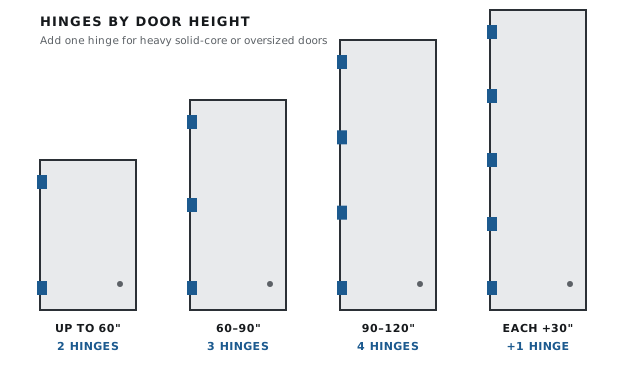
Two hinges to 60″, three to 90″, four to 120″. More on hinge count.
4. Weight & traffic → bearing type
Light interior doors are fine on plain-bearing hinges. Heavy, solid-core, or high-traffic doors should use ball-bearing hinges, which carry load with far less wear. For exterior out-swing doors, choose non-removable-pin hinges for security.
Measure the hinge, not the door
Hinge size is given as height × width when the hinge is open and flat. Height (the length of the knuckle) is the number that matters most for matching a replacement; width is the two leaves opened out, and it grows with thicker doors so the door can clear the trim when it swings.
Standard sizes to know
- 3.5″, standard interior passage doors (1⅜″ thick).
- 4″, heavier interior or light exterior doors.
- 4.5″, standard exterior and solid-core doors (1¾″ thick).
- 5″+, tall, heavy, or oversized doors.
Size by weight and thickness
Thicker, heavier doors need taller hinges (more knuckle bearing more load) and wider leaves (to clear a deeper jamb). When in doubt, match the existing hinge exactly, same height, same leaf width, same screw pattern, or size up rather than down for a heavy door.
Frequently asked questions
Plain bearing or ball bearing?
Plain for light interior doors; ball-bearing for heavy or frequently used doors. The bearings dramatically reduce wear under load.
Does finish matter beyond looks?
Mostly aesthetic, but on stainless a quality finish also resists fingerprints and tea staining a little better. Match the grade to the environment first.